


I first experienced the Lyma Laser while lying prone on Ivan Pol’s facial bed. Pol, known as “The Beauty Sandwich” for his stacked method of caring for the skin, burnished the handheld laser en suite like a cowboy in a Spaghetti Western. Because I trust him with my face (actually, my entire body) – I finally wondered if this was the skincare tool for me.
Featured in this article
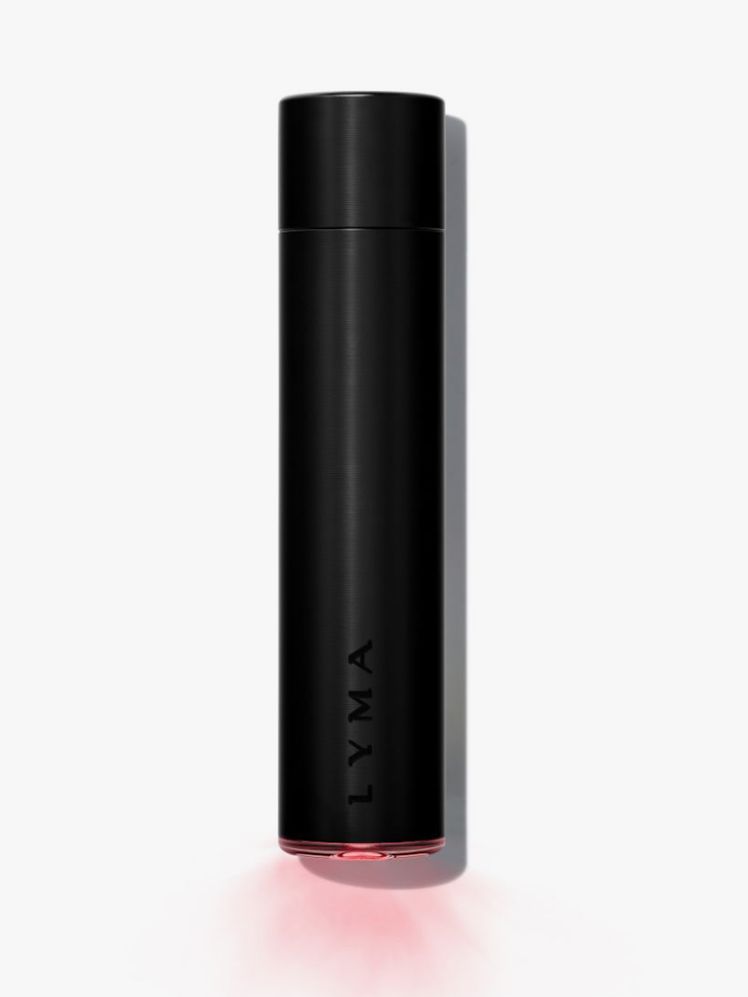
Unlike my extensive experience with LED face masks, my experience with lasers was practically null; I’d only tried a snappy pulsed dye laser to treat some broken capillaries on my cheeks – pain level three. So when the LYMA arrived, meant to be used at home and all across the face, I couldn’t imagine spending time at home self-zapping. But when the whispers about the device turned into a loud chatter, I decided to give it a try.
How we tested
Vogue’s senior beauty and wellness editor, Margaux Anbouba, reviewed the Lyma device over a 13-week period, but contributors Georgia Day and Hannah Coates also put the gadget through its paces. Here is what they thought:
Day: “I like to think I've used almost every skincare device going, but the one that I'll recommend to anyone who has the budget, the LYMA Laser. So, that's the first thing to note: it is eye-wateringly expensive, but if you can, then I say, do. In terms of devices I've used that have had a noticeable impact on the texture of my skin (I'm mainly talking evenness of tone and elasticity), nothing I have tried comes close. Everything just looked tighter, fresher and clearer, the sort of skin texture I imagine you'd have if you lived a wholesome life imbibing green juice, wearing no make-up and going on invigorating country walks every day. As with all of these devices, you have to be consistent, but once you get into the groove of using it daily, I found it became a relaxing part of my wind-down routine.”
Coates: “As a big fan of in-clinic laser treatment, I was instantly intrigued by the LYMA when it first launched. Utilising cold laser, instead of the normal hot technology, it was recommended to me by a few highly respected facialists, so I knew I had to give it a try. While I've only been using it for a couple of weeks, my skin looks and feels luminous and even-toned, and I love the idea that over time it can help reduce inflammation, support collagen production, and work on some of my scarring. It's expensive and you've got to use it religiously, but if you put the time in, it seems to me that you do get results.”
- Why it’s Vogue-approved: A step up from red light in terms of the depth its beams penetrate, Lyma’s device combines low-level cold laser therapy with NIR to rejuvenate skin from the inside out. This handheld tool can treat fine lines everywhere on the face and body – from the crow’s feet to hands and lips – and offers impressive results for deep-set concerns like pigmentation and scarring. What’s more, it fits inside your handbag and is still effective when used over your SPF or make-up. Great for the jet setter who needs on-the-go treatments, it’s no wonder this device is beloved by the celebrity set.
- Device type: Handheld
- Best for: deep-down skin rejuvenation. Tightening lax skin, renewing dull skin and remodelling skin with scars. Several users praise the non-invasive device for its anti-inflammatory effects on conditions like psoriasis.
- Target area: Face, body, neck and hands
- Treatment Time: Three plus minutes daily
- Good to know: As well as whole face rejuvenation, try using it for five minutes on targeted areas like acne scarring and persistent sun spots.
The Lyma Laser claims to help with any complaint you could possibly have about your visage – wrinkles, elasticity, texture, and tone – in just 12 weeks. Admittedly, it has a price tag to match the high-calibre claims, coming in at around £2,000 (this includes the two skin-care products, a mist and a gel, which should be used in tandem). Celebrities are obsessed, including actor Carey Mulligan, who bought one for herself as a prize for winning an Oscar (an OSCAR).
Even the unboxing of my Lyma felt like an extravagant experience – sleek plastic boxes and long pamphlets (I didn’t read a single one, except for noting that I needed to fully charge before using it). While I waited, I watched videos on how to use the device. First, I sprayed the 100 per cent concentrated oxygen mist on clean, dry skin. Next, I placed the glide gel on top of it – which felt texture-wise akin to conductive gels I’ve used with devices in the past (though it should be noted that no conducting happens when using this device).
After a week of use, I was enjoying the warm daily glow of the Lyma. I would use the device for about 15 minutes each morning, running it along the same pathways I typically used to massage my face – giving myself what felt like a two-in-one laser and massage treatment. I had ditched the gel, swapping in a face oil instead since a smooth glide was key to the device. While I wasn’t really noticing a difference in my skin yet, I enjoyed mindfulness of the experience, taking the time to simply focus on my skin and not rush through my routine.
By week three, I transitioned my 15-minute laser-and-massage down to 10 minutes, using the last five minutes of my routine as a spot treatment on areas of sun damage and acne scars. To me, this is one of the more interesting ways to use the device overall. Currently, the most dramatically effective way to treat hyperpigmentation (think sunspots, melasma, or anything of the sort) is a laser, whether it be a series of Moxie sessions or a singular hardcore Clear & Brilliant. Either way, you’re looking at numbing, peeling, redness, and downtime. But Lyma claims to be able to fade these marks without any downtime or pain, so it was worth a try.
Week five was when I started to notice a difference in my skin. Or, other people started to give me compliments and asked what had changed – and this was the only thing I could point to. The device had travelled to three countries with me (it’s a great time-filler and a new way to weird out your seatmate during a cross-continental flight), and I definitely think it helped with post-jet-lag face. My sunspots had started to slightly fade, and overall, my skin just looked plumper and brighter.
Read more: The Best Vitamin C Serums For Brightening Sun Spots
At home, I have a glamorous under-the-sink graveyard of skincare tools. Vibrating pucks, radio-frequency spheres, and suction cups were brought home with promises of a new routine (and a tighter, brighter face). Thirteen weeks in, and the Lyma is still firmly part of my morning routine. And there it will stay as long as the sun spots continue to fade and the compliments keep coming.
- Why it’s Vogue-approved: A step up from red light in terms of the depth its beams penetrate, Lyma’s device combines low-level cold laser therapy with NIR to rejuvenate skin from the inside out. This handheld tool can treat fine lines everywhere on the face and body – from the crow’s feet to hands and lips – and offers impressive results for deep-set concerns like pigmentation and scarring. What’s more, it fits inside your handbag and is still effective when used over your SPF or make-up. Great for the jet setter who needs on-the-go treatments, it’s no wonder this device is beloved by the celebrity set.
- Device type: Handheld
- Best for: deep-down skin rejuvenation. Tightening lax skin, renewing dull skin and remodelling skin with scars. Several users praise the non-invasive device for its anti-inflammatory effects on conditions like psoriasis.
- Target area: Face, body, neck and hands
- Treatment Time: Three plus minutes daily
- Good to know: As well as whole face rejuvenation, try using it for five minutes on targeted areas like acne scarring and persistent sun spots.
Why you should trust us
On the Vogue beauty desk, we’re intimately acquainted with the ever-evolving world of beauty devices, from LED masks to anti-ageing skincare tools. With a discerning eye and an insatiable enthusiasm for innovation, we’re always on the hunt for the latest and greatest tech. We trial new unveilings as they launch, so we can determine the gadgets truly worth the investment from the rest. When it comes to laser technology, few have escaped our rigorous testing process, from Lyma to the NIRA Precision Laser and the CurrentBody RF device.
Shop more of Vogue’s favourite lasers here
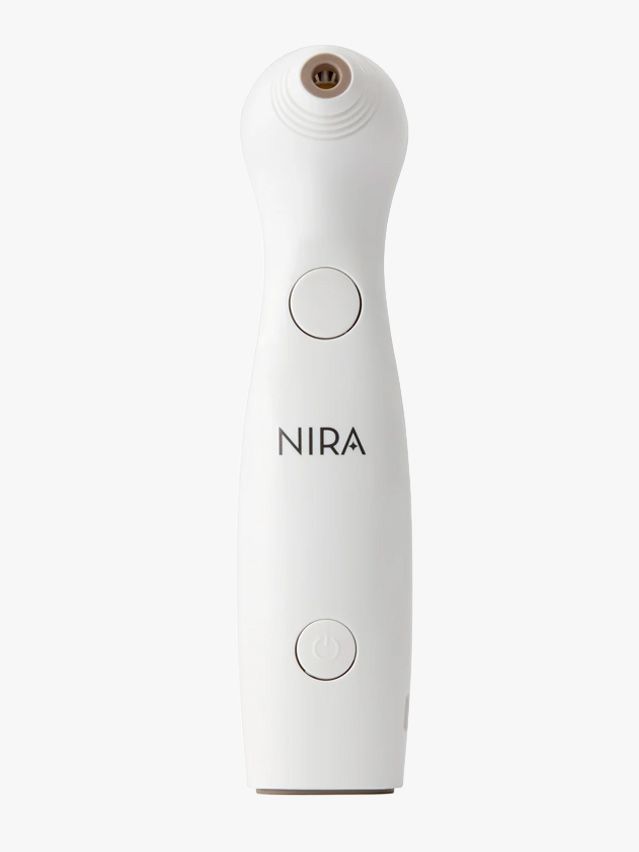
Nira
Precision Laser
- Why it's Vogue-approved: There's lots to love about NIRA's Precision Laser. First and foremost, it's clinically efficacy proven in studies to reduce wrinkles in 90 days of consistent use. It works by using a 1450nm wavelength to heat the dermis, and activate fibroblasts which produces collagen and elastin for serious skin rejuvenation, unlike topical creams. That besides, it's painless, easy to use, there's no downtime and it delivers clinical results for a fraction of the price.
- Target treatment area: It's particularly good for sensitive, tricky areas near the eyes and mouth
- Treatment time: 2 minutes per area twice a day
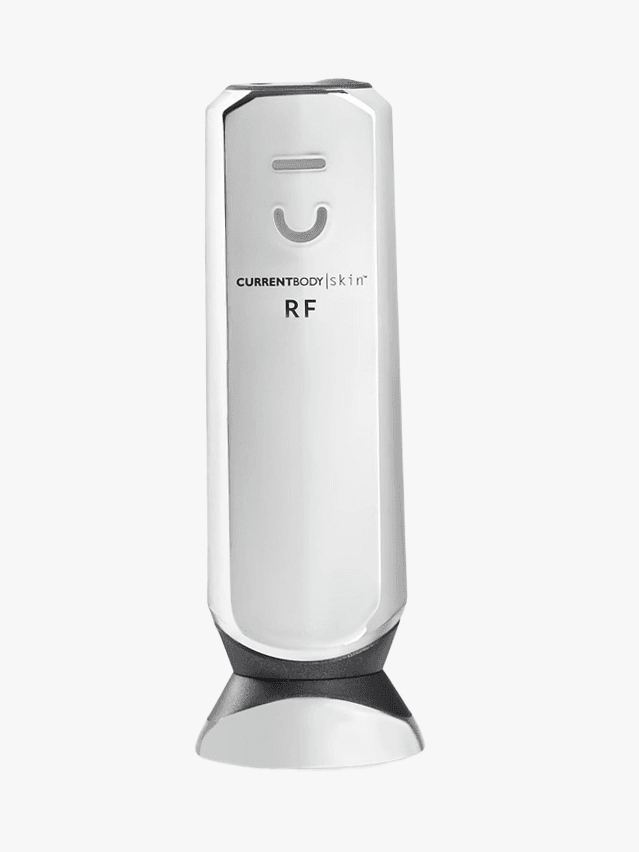
CurrentBody
Skin Radio Frequency Device
- Why it's Vogue-approved: RF has long been the collagen-boosting treatment of choice for those in the know. Currentbody’s device brings clinical-level tech to you in the comfort of your own home, promising reduced wrinkles and firmer skin with consistent use. The skin-tightening device works by sending radio waves into the skin’s dermal layers, where collagen is formed. This process generates heat, causing existing collagen to contract for an instant lifting and tightening effect. It also stimulates new collagen production, which helps improve the appearance of fine lines, wrinkles, and sagging over time. According to Currentbody, 89 per cent of users saw an improvement in skin tightness in 8 weeks.
- Target treatment area: Full face
- Treatment time: 5-70 minutes


