


Fibre is one of the hottest nutrition conversations set to gain even more traction in the new year – and with good reason. Statistics show that a staggering 95 per cent of us fail to meet the recommended daily intake: 25g for women and 35g for men. That’s where a fibre-rich, plant-forward diet – alongside the best fibre supplements on the market – comes into play.
Vogue’s top fibre supplements at a glance:

“Getting enough fibre is one of the most impactful changes you can make for your gut health, inflammation levels, metabolism and long-term wellbeing,” says Federica Amati, head nutritionist at Zoe and author of Every Body Should Know This. “We’re all obsessed with tracking our protein, but fibre is what most of us are seriously lacking.”
The best fibre supplements
This is a deliberately concise edit, featuring only fibre supplements I genuinely rate. Quality is paramount when choosing any supplement, and fibre is no exception.
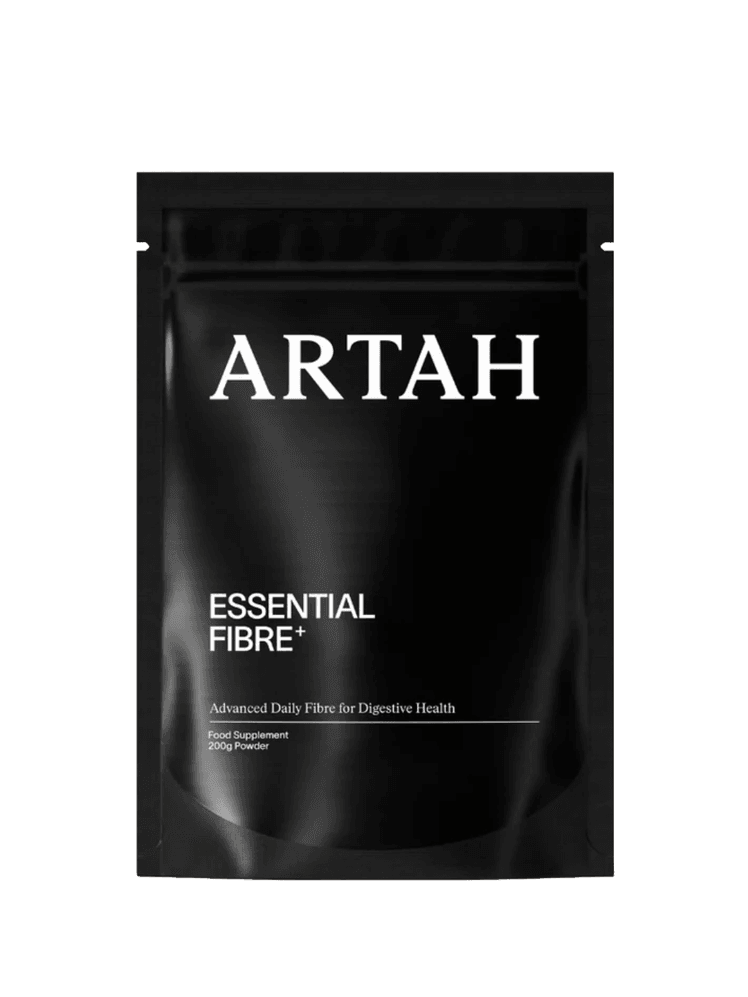
- Why it’s Vogue-approved: Delivering around 7g of fibre per serving, Artah’s Essential Fibre+ combines a range of soluble and insoluble plant fibres with resistant starch, which acts like a prebiotic to nourish beneficial gut microbes. The formula is enhanced with gentle, digestion-supporting botanicals including chamomile and fennel, designed to promote regularity, support gut health and appetite control, and help reduce bloating.
- Key ingredients: Partially hydrolysed guar gum, psyllium husk, pectin, arabinogalactan, green banana flour, beta-glucans, ginger root extract
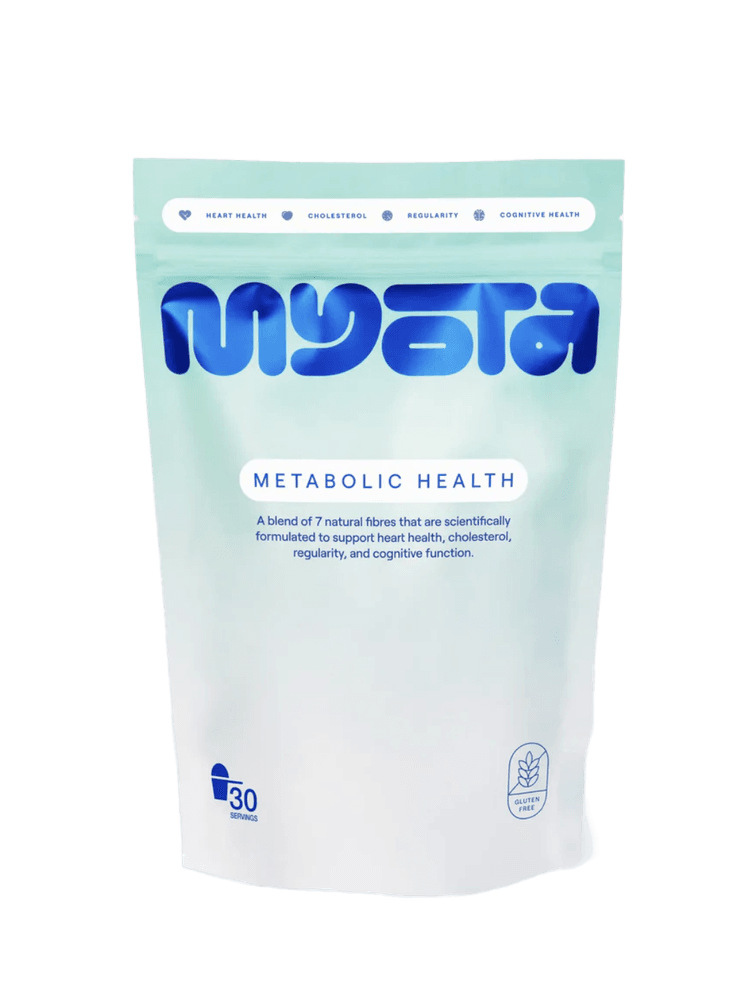
- Why it’s Vogue-approved: A single scoop of Myota’s supplement delivers around 9.8g of fibre, though the brand recommends building your intake gradually. Formulated with fructooligosaccharides and inulin – two well-studied prebiotic fibres – alongside resistant starch and partially hydrolysed guar gum, it provides a diverse fibre blend designed to support cholesterol management, satiety and overall gut microbiome health.
- Key ingredients: Resistant starch, partially hydrolysed guar gum, inulin, fructooligosaccharides, (gluten-free) oat fibre, (gluten-free) wheat fibre, guar gum
- Why it’s Vogue-approved: An unflavoured powder that blends soluble and insoluble fibres from konjac root, rice bran and flaxseed, delivering around 6g of dietary fibre per scoop. Designed to support blood sugar balance and help you feel fuller for longer.
- Key ingredients: Glucomannan (from konjac root), apple pectin, prune powder, flaxseed, rice bran, partially hydrolysed guar gum, magnesium citrate
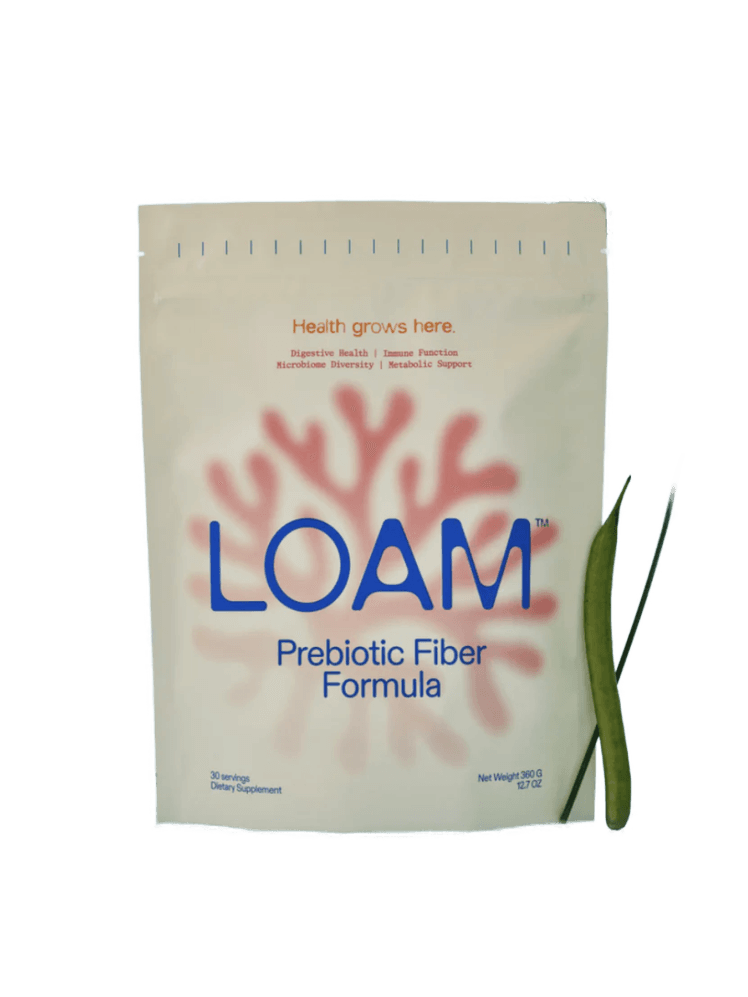
- Why it’s Vogue-approved: An impressive six-in-one blend of prebiotic fibres, selected by Dr Rajan and his team for their fermentability, with each fibre feeding beneficial bacteria at different points along the gut. The result is increased production of short-chain fatty acids, improved digestive comfort and regularity, and a substantial 10g dose of prebiotic fibre per serving. It’s also low-FODMAP, making it suitable for those with more sensitive digestive systems.
- Key ingredients: Carrot fibre, soluble corn fibre, (gluten-free) wheat, xylo-oligosaccharides, cassava fibre, partially hydrolysed guar gum
FAQs
Why is fibre important for our health?
“Fibre is the foundation of a healthy gut microbiome – that incredible internal ecosystem which influences so much of how we feel every day,” says Dr Federica Amati. “Yet it’s one of the most overlooked aspects of our diet.”
While many of us have focused heavily on protein intake in recent years, fibre is arguably the macronutrient that plays a more critical role in overall health – although, of course, balance remains key. Because virtually all of the body’s systems are mediated by the gut, fibre has a far-reaching impact. When we consume different types of fibre, they travel to the colon, where they are fermented rather than digested.
“That’s where your gut microbes get to work,” explains Dr Rupy Aujla, founder of The Doctor’s Kitchen. “They produce short-chain fatty acids – including butyrate, propionate and acetate – which nourish the cells lining the colon and strengthen the gut barrier.”
This process supports a healthier immune response, reduces inflammation, helps balance blood sugar spikes and improves cardiovascular health, among many other benefits.
Adequate fibre intake is also linked to more regular bowel movements, lower cholesterol levels and a reduced risk of certain cancers. “And the best part?” adds Dr Amati. “We don’t absorb fibre at all – it simply gets to work for us, acting like a daily internal cleanse and a fertiliser for the microbes that keep us well.”
How to know if you’re low in fibre
It varies from person to person, but Dr Karan Rajan explains that the signs of fibre deficiency can often masquerade as everyday issues – from common gastrointestinal symptoms such as bloating to persistent low energy. In some cases, they can even show up on the skin. “When people improve their gut health, their skin often clears up too,” he notes.
Key symptoms of fibre deficiency include:
- Constipation or hard stools
- Bloating
- Irregular bowel movements
- Fatigue or low energy
- Elevated cholesterol levels
- Mood fluctuations
- Difficulty managing weight
Which foods contain fibre?
It’s always best to start with food rather than relying solely on supplements – good health begins with a balanced, varied diet. Excellent sources of fibre include artichokes, avocados, beans, lentils, raspberries, nuts and seeds.
“I think many of us assume that simply eating more salad is enough to boost our fibre intake,” says Rhian Stephenson, nutritionist and founder of Artah. “But in reality, there isn’t a great deal of fibre in most salad leaves.”
While vegetables are undeniably good for us, not all plants are particularly fibre-rich, so it pays to be strategic about what you put on your plate. “Think of a Mediterranean-style lentil bowl piled high with roasted peppers, aubergine and courgette, finished with a handful of rocket and some toasted seeds,” suggests Dr Amati. “It’s vibrant, satisfying and delivers a generous hit of fibre and polyphenols in one go.”
For breakfast, she recommends options such as bircher muesli made with oats, chia and flaxseed, grated apple, almonds and plenty of berries. Lunch might be a comforting chickpea and spinach stew simmered with tomatoes and herbs. “Wholegrain pasta tossed with white beans and cavolo nero also makes an excellent midweek dinner and covers all your nutritional bases,” she adds. “And a well-constructed salad – with plenty of greens, legumes, whole grains, nuts, seeds and colourful vegetables – can still provide a beautiful spectrum of fibre, without much fuss.”
What to look for in a good fibre supplement
There are several different types of fibre, and while the terms “soluble” and “insoluble” are still commonly used, Dr Rajan explains that researchers now tend to think about fibre in terms of viscosity, fermentability and solubility – essentially, its ability to influence the gut microbiome.
“The more soluble and fermentable a fibre is, the greater the potential benefits,” he says, “because your gut bacteria can produce higher amounts of short-chain fatty acids and other beneficial compounds.”
Dr Amati advises choosing a blend that includes both soluble and insoluble fibres, alongside fermentable fibres such as inulin or partially hydrolysed guar gum, which are particularly effective at feeding beneficial gut microbes. “It’s also wise to steer clear of products loaded with sweeteners, unnecessary gums (other than guar) or artificial flavourings,” she adds.
Meet the experts
- Federica Amati is the head nutritionist at Zoe and author of Every Body Should Know This
- Dr Rupy Aujla is the founder of The Doctor’s Kitchen
- Rhian Stephenson is a nutritionist and founder of Artah
